First-Time Car Importer Checklist: Start Here

Straight talk from Daegu, the way we explain it to first-time importers. Importing your first car from Korea? This plain-English checklist covers the questions to ask, documents you'll get, common pitfalls, and how to begin.
Before anything: confirm your country's rules
The very first checklist item has nothing to do with the car. Every country has its own rules on age limits, steering side, and emissions for imported vehicles. Some allow cars only under a certain age; others ban or tax older models heavily. Korea drives on the right with left-hand-drive cars, which suits most of the world but not everyone. We cannot know every market's regulations, so confirm with your local customs or import authority before you pay for anything. A great car at a great price is worthless if it cannot be registered when it arrives. Get this right first, and the rest of the process becomes simple.
Questions to ask before you buy
Once you know what is allowed, ask us the right questions. What is the real mileage and is it verified? Has the car had accident repairs, and how serious? What is the FOB price in won, and what does that include? What is the estimated freight to my port, separately? When can it actually ship? Are there any current warning lights or known issues? Good answers should be specific and calm, not pushy. At Korea Used Cars Direct we would rather talk you out of the wrong car than rush you into it, because a confused first-time buyer rarely comes back, and our whole business runs on buyers who do.
Documents you should receive
Paperwork is what turns a car into an import you can legally register. Expect an export certificate (the deregistration document proving the car left Korea's registry), a commercial invoice showing the price you paid, and a Bill of Lading from the shipping line once it is loaded. Depending on your country you may also need a certificate of origin. Keep digital and printed copies of everything. These documents clear the car through your customs and prove ownership, so never let a car ship until you understand which papers you are getting. If a seller is vague about documentation, treat that as a serious warning sign and walk away.
What can go wrong (and usually does not)
Most imports go smoothly, but it helps to know the failure points. Underestimating total cost is the big one: people budget for the car and forget freight, local duties, and port fees at the other end. Shipping delays happen, especially around holidays, so do not promise yourself a delivery date. Occasionally a car's condition is described too generously by a careless seller, which is why verified records matter. And currency swings between won and USD can move your price a little between quote and payment. None of these are disasters when you expect them. Surprises only hurt the buyers who were not told they were possible.
How payment and shipping fit together
Here is the normal flow so nothing feels mysterious. You agree the FOB won price and a separate freight estimate. You pay, the car is deregistered for export, and it is delivered to the port. It loads onto a RoRo vessel (roll-on, roll-off, the standard for single cars), and you receive the Bill of Lading. The ship sails, and on arrival you or your local agent handles customs, duties, and registration. We hand off a clean, documented car at the Korean side; the destination side is yours or your broker's. Knowing exactly where our job ends and yours begins keeps everyone honest.
How to start, step by step
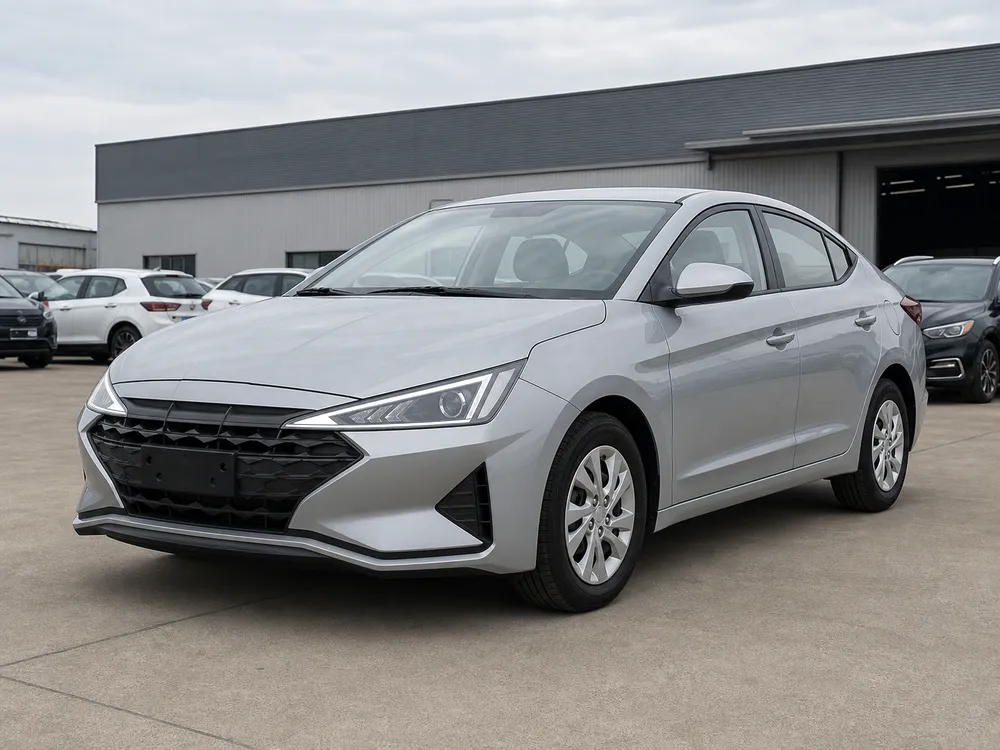
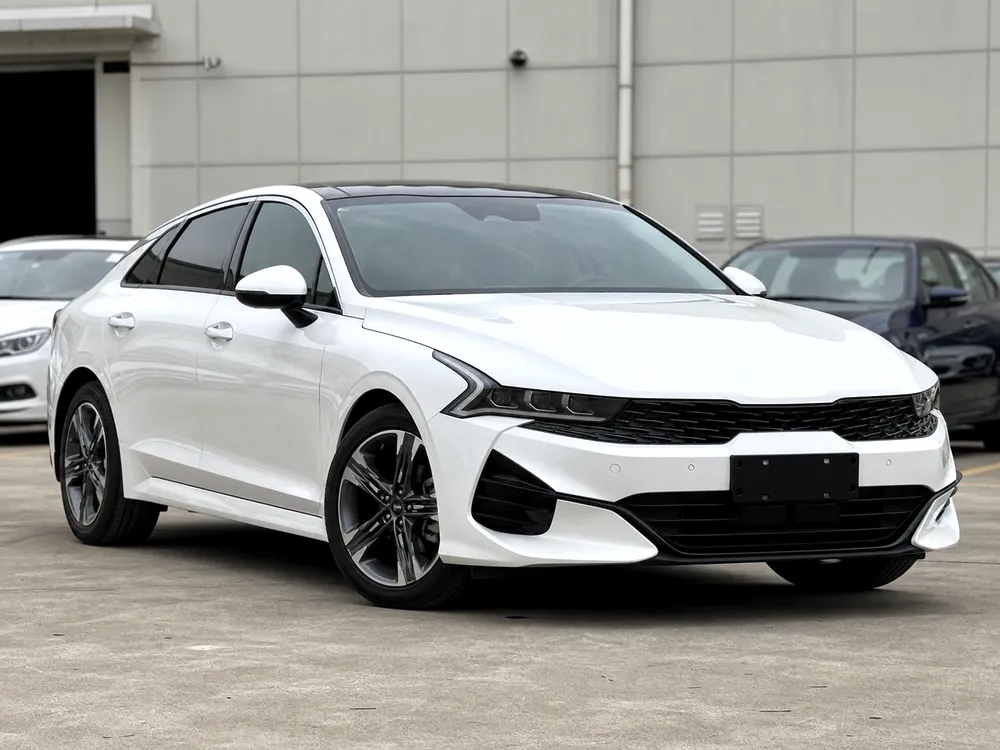
Keep your first import deliberately simple. Step one: confirm your country's import rules. Step two: set a realistic all-in budget that includes shipping and local fees, not just the car. Step three: tell us your destination port and budget so we can match you to a fair, benchmarked car, usually a budget-friendly Avante, Sonata, or K5. Step four: review the records and documents before committing. Step five: pay, ship by RoRo, and track it. Do one car this way and you will understand the whole chain. From there, importing stops feeling intimidating and starts feeling routine.
Ready to start? Browse current stock or message us on WhatsApp with your target model and destination port.